
Dream About Death Meaning: What Your Mind May Be Trying to Tell You

Introduction
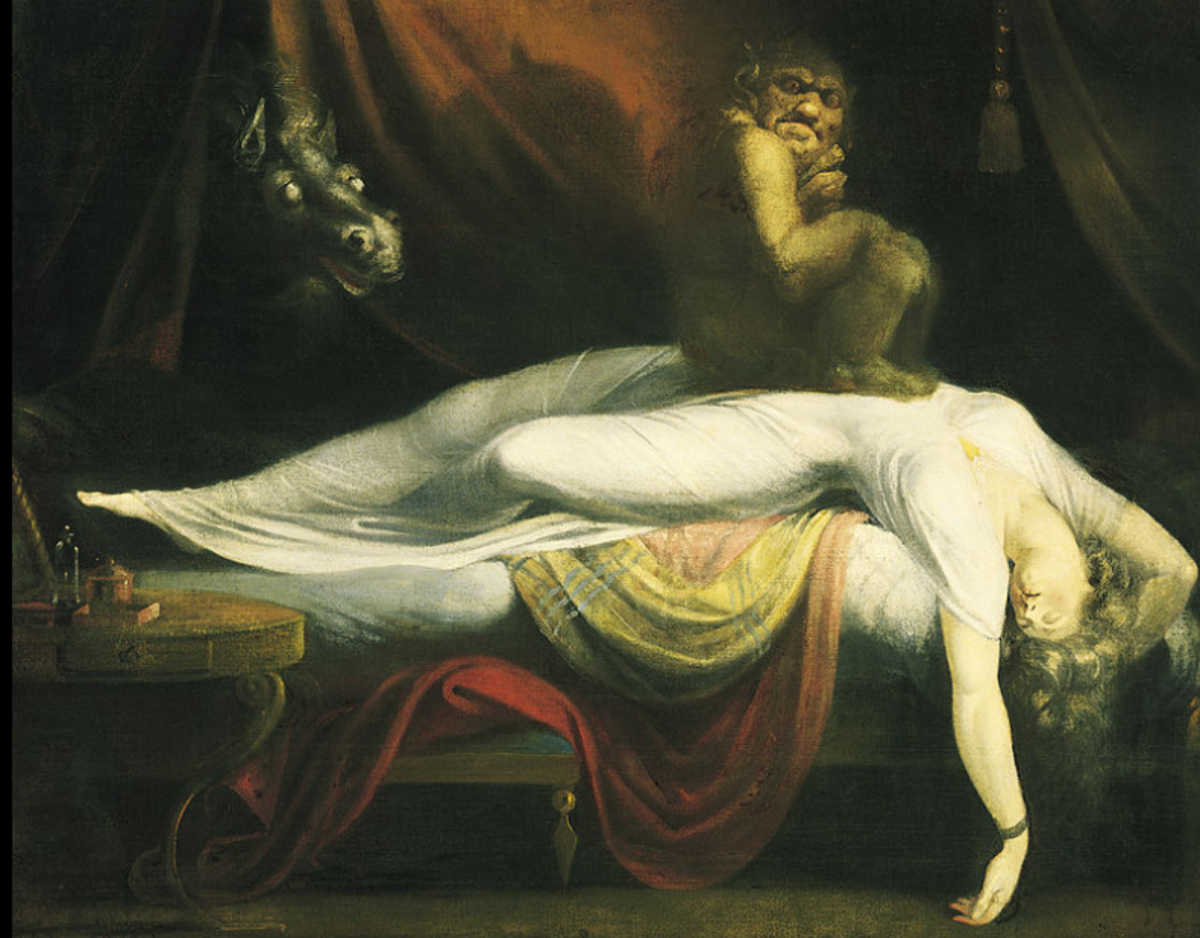
Dreaming about death can be unsettling. Waking up after seeing yourself, a loved one, or even a stranger die in a dream often leaves you feeling confused, anxious, or curious. However, contrary to popular belief, death dreams rarely predict actual death. Instead, they often symbolize transformation, emotional healing, personal growth, or the end of a chapter in your life.
Understanding the dream about death meaning can help you uncover hidden emotions, identify life changes, and gain valuable insight into your subconscious mind.
What Does a Dream About Death Mean?
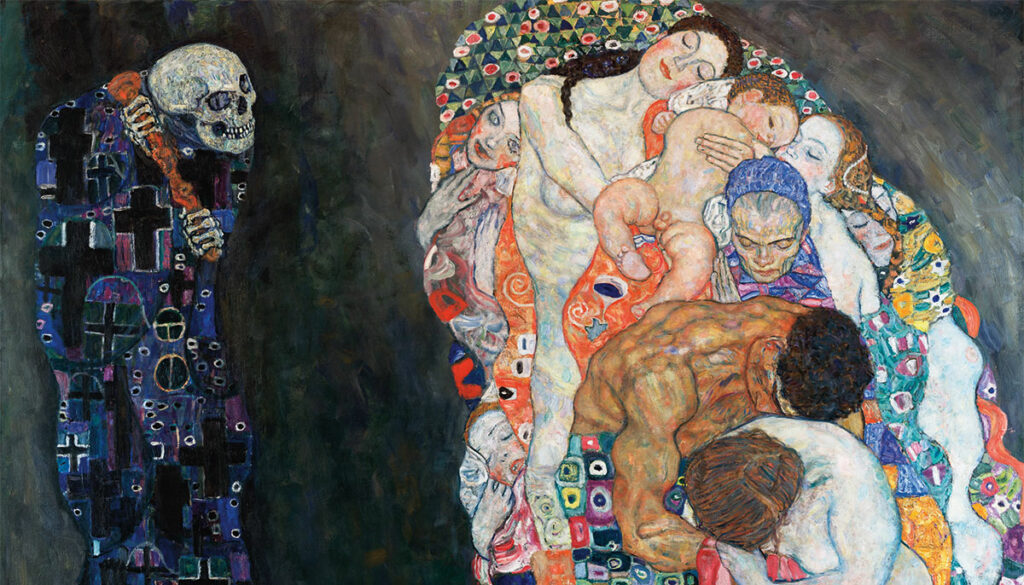
A dream about death is usually symbolic rather than literal. In dream psychology, death often represents endings, transitions, and new beginnings. Just as one phase of life ends, another begins.
These dreams may appear when you’re experiencing:
- Major life changes
- Emotional stress
- Relationship transitions
- Career shifts
- Personal growth
- Fear of the unknown
The meaning depends on the details of the dream and your current life circumstances.
Common Reasons Why You Dream About Death
1. You Are Going Through a Major Life Change
Death dreams frequently occur during significant transitions such as moving to a new city, starting a new job, getting married, or ending a relationship. Your subconscious may be symbolizing the “death” of an old version of yourself.
2. Unresolved Emotions
Feelings that have been ignored or suppressed often emerge during sleep. A death dream can be your mind’s way of processing grief, anger, fear, guilt, or sadness.
3. Fear of Change
Even positive changes can create anxiety. If you’re uncertain about the future, your subconscious may express that fear through dreams involving death or loss.
4. Personal Transformation
Sometimes, dreaming about death signals personal growth. Old habits, beliefs, or behaviors may be fading away to make room for a healthier and stronger version of yourself.
Different Types of Death Dreams and Their Meanings
Dreaming About Your Own Death
This dream often symbolizes personal transformation rather than physical danger. It may indicate that you’re leaving behind outdated beliefs, habits, or relationships.
Dreaming About a Loved One Dying
Seeing someone close to you die can reflect concerns about the relationship, fear of losing them, or changes occurring between you and that person.
Dreaming About a Dead Relative
These dreams can occur when you miss someone deeply or need emotional guidance. Many people find such dreams comforting and meaningful.
Dreaming About Dead Bodies
A dead body in a dream may symbolize something in your life that has permanently ended. It can represent closure, acceptance, or the need to move forward.
Dreaming About Attending a Funeral
Funeral dreams often suggest that it’s time to let go of something that no longer serves you. This could be a relationship, habit, mindset, or emotional burden.
Dreaming About Animals Dying
These dreams may reflect concerns about a beloved pet or symbolize the loss of innocence, comfort, loyalty, or companionship.
Dreaming About Killing Someone
Although disturbing, this dream usually symbolizes your desire to eliminate a negative influence, toxic situation, or unhealthy behavior from your life.
Dreaming About Dying From an Illness
This dream may highlight concerns about your health, lifestyle habits, or emotional well-being. It can serve as a reminder to prioritize self-care.
Psychological Interpretation of Death Dreams
Psychologists generally view death dreams as reflections of emotional processing rather than predictions. During sleep, the brain organizes memories, emotions, and experiences. Death symbolism often emerges when you’re adapting to changes or dealing with unresolved feelings.
Rather than focusing on the literal image of death, consider what is ending, evolving, or transforming in your waking life.
How to Reduce Disturbing Death Dreams
If death dreams become frequent or emotionally exhausting, these strategies may help:
Manage Stress Effectively
Regular exercise, meditation, and relaxation techniques can help reduce anxiety and improve sleep quality.
Limit Negative Content Before Bed
Avoid consuming distressing news, horror movies, or emotionally intense social media content late at night.
Keep a Dream Journal
Writing down your dreams can help identify patterns and uncover recurring emotional themes.
Practice Healthy Sleep Habits
Maintain a consistent sleep schedule, create a calming bedtime routine, and ensure your sleeping environment is comfortable.
Reduce Stimulants
Limiting caffeine, nicotine, and alcohol—especially in the evening—may reduce vivid or unsettling dreams.
When Should You Seek Professional Help?
Occasional death dreams are completely normal. However, consider speaking with a mental health professional if:
- The dreams occur frequently
- They cause significant anxiety
- They interfere with your sleep
- You experience ongoing stress, depression, or trauma
A therapist can help identify underlying emotional concerns and provide effective coping strategies.
Conclusion
Dreams about death can feel frightening, but they are rarely literal warnings. In most cases, they symbolize change, growth, emotional processing, or the closing of one chapter before another begins. By exploring the deeper meaning behind these dreams, you can gain valuable insight into your emotions and life experiences. Understanding the message behind a death dream may help you navigate personal transitions with greater clarity and confidence.
Frequently Asked Questions
Is dreaming about death a bad omen?
No. Most dream experts believe death dreams are symbolic and often represent transformation, change, or personal growth rather than actual death.
Why do I keep dreaming about someone dying?
Recurring dreams about someone’s death may reflect concerns about that person, changes in your relationship, or unresolved emotions related to them.
What does it mean when I dream about my own death?
Dreaming about your own death typically symbolizes a major life transition, personal transformation, or the end of an old habit, belief, or phase of life.