
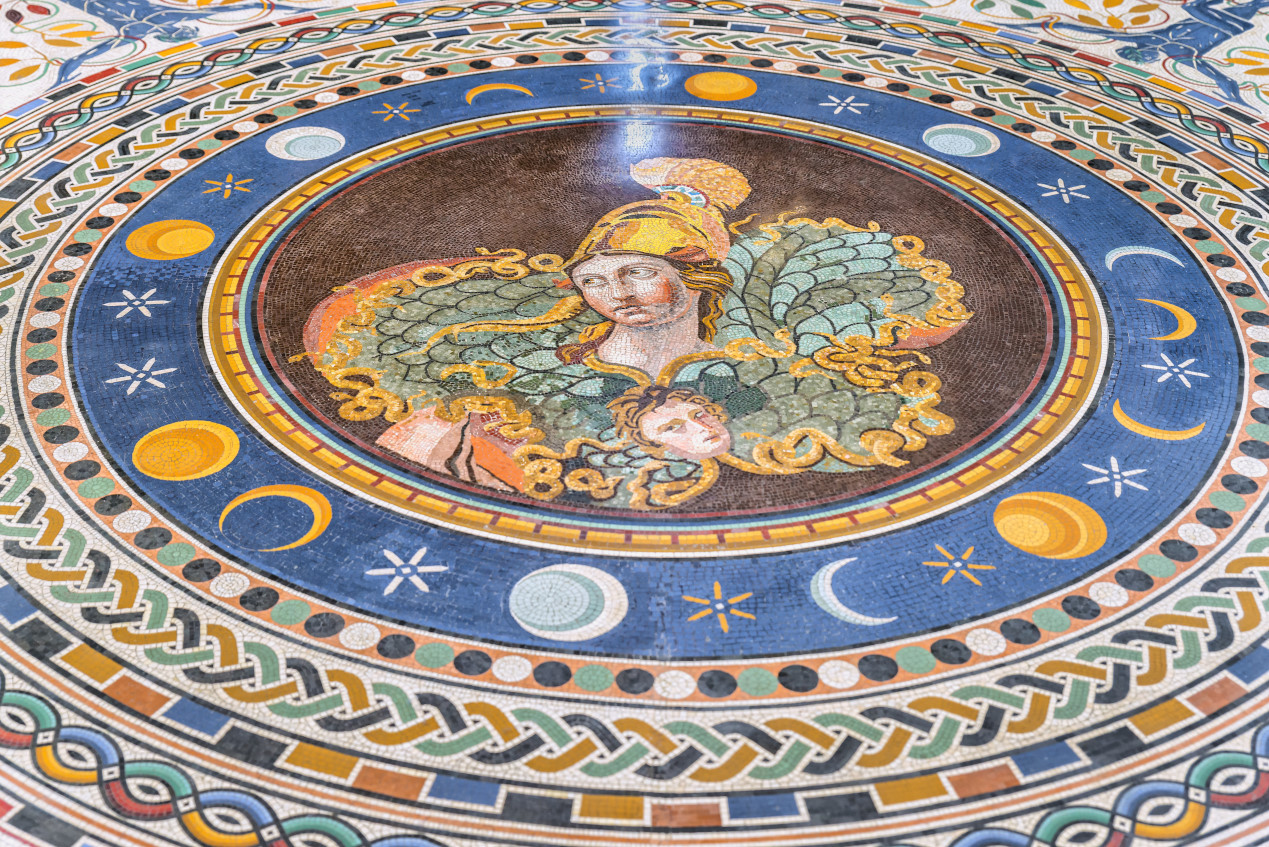
Introduction
For thousands of years, humanity has looked toward the heavens in search of meaning, guidance, and answers to life’s biggest questions. Long before modern science explained the movement of planets and stars, ancient civilizations believed that celestial events influenced human destiny. This belief system eventually evolved into what we know today as astrology.
The history of astrology is a fascinating journey that spans continents, cultures, and centuries. From ancient Mesopotamia to the digital age of daily horoscopes, astrology has remained one of the world’s most enduring traditions.
History of Astrology
The roots of astrology can be traced back more than 4,000 years to ancient Mesopotamia, where early civilizations closely observed the night sky. The Babylonians were among the first people to record planetary movements and connect them with earthly events.
They believed that celestial bodies were messages from the gods and that understanding these signs could help predict important occurrences such as harvests, weather patterns, wars, and the fate of rulers.
These early observations laid the foundation for the astrological systems that would later spread across the world.
Astrology in Ancient Egypt
Ancient Egyptians also played a major role in the development of astrology. Their priests carefully tracked the movements of stars and planets, using celestial observations to create calendars and determine important religious events.
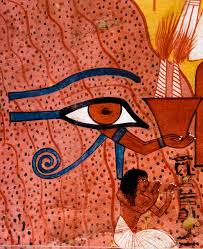
The Egyptians associated certain stars with divine powers and believed that the heavens reflected the order of life on Earth. Their astronomical knowledge later influenced Greek scholars, helping astrology evolve into a more structured practice.
The Greek Influence and the Birth of the Zodiac
Astrology underwent significant development during the era of ancient Greece. Greek philosophers and scholars combined Babylonian knowledge with their own ideas about mathematics, astronomy, and philosophy.
During this period, the zodiac system was refined into twelve distinct signs. Each sign was linked to a constellation and represented different personality traits and life tendencies. The zodiac signs, Aries, Taurus, Gemini, Cancer, Leo, Virgo, Libra, Scorpio, Sagittarius, Capricorn, Aquarius, and Pisces, remain the foundation of Western astrology today.
Greek astrologers also introduced the concept of birth charts, which analyze the positions of celestial bodies at the moment of a person’s birth.
Astrology during the Roman Empire
As the Roman Empire expanded, astrology spread throughout Europe and became increasingly popular among rulers, military leaders, and ordinary citizens.
Many Roman emperors consulted astrologers before making important decisions. Astrology was often viewed as a valuable tool for understanding the future, predicting political outcomes, and gaining personal insight.
Despite occasional opposition from political and religious authorities, astrological practices continued to thrive across the empire.
Astrology in Asia and Other Cultures
While Western astrology developed around the zodiac signs, other cultures created their own astrological systems.
Chinese astrology emerged as a unique tradition based on a twelve-year animal cycle, with each year represented by a different animal sign. Indian astrology, also known as Vedic astrology, became deeply connected to Hindu philosophy and remains widely practiced today.
These diverse traditions demonstrate how different civilizations independently sought meaning in the movements of the heavens.
The Middle Ages and the Renaissance
During the Middle Ages, astrology was closely linked with medicine, religion, and education. Scholars often studied astrology alongside astronomy, mathematics, and philosophy.
In the Renaissance period, astrology reached new heights of popularity. Kings, queens, and wealthy patrons frequently sought astrological advice. Universities taught astrological principles, and many respected scholars viewed astrology as an important field of study.
However, as scientific discoveries advanced, astrology gradually became separated from astronomy.
Astrology and Modern Science
The Scientific Revolution transformed humanity’s understanding of the universe. Scientists began explaining celestial movements through observation, mathematics, and physical laws rather than spiritual interpretations.
As astronomy became a recognized scientific discipline, astrology was increasingly classified as a belief system rather than a science. While scientific evidence does not support astrological predictions, millions of people continue to enjoy astrology for self-reflection, entertainment, and personal guidance.
Astrology in the Digital Age
Today, astrology is more accessible than ever. Newspapers, magazines, websites, social media platforms, and mobile applications provide daily horoscopes and personalized birth chart readings to millions of users worldwide.
Modern astrology has adapted to changing technology while maintaining its ancient appeal. Many people read horoscopes for inspiration, curiosity, or a deeper sense of connection with the universe.
The continued popularity of astrology demonstrates its unique ability to blend tradition, symbolism, and human psychology.
Why Astrology Remains Popular
Astrology has survived for thousands of years because it speaks to a universal human desire: understanding ourselves and the world around us. Whether viewed as a spiritual practice, a cultural tradition, or a source of entertainment, astrology offers narratives that many people find meaningful.
Its symbols, archetypes, and personality insights continue to capture the imagination of people across generations.
Conclusion
The history of astrology is a remarkable story of human curiosity and our enduring fascination with the cosmos. From ancient civilizations studying the stars to modern horoscope apps on smartphones, astrology has evolved while maintaining its cultural significance. Although its role has changed over time, astrology continues to inspire millions of people who seek meaning, guidance, and connection through the mysteries of the sky.
Frequently Asked Questions (FAQs)
What is astrology?
Astrology is the study and interpretation of the positions and movements of celestial bodies to understand their perceived influence on human life and events.
Where did astrology originate?
Astrology originated in ancient Mesopotamia, particularly among the Babylonians, more than 4,000 years ago.
Who created the zodiac signs?
The zodiac system was developed and refined by ancient Greek scholars based on earlier Babylonian astronomical observations.
Is astrology the same as astronomy?
No. Astronomy is a scientific study of celestial objects and the universe, while astrology focuses on interpreting celestial movements for symbolic meaning.
